
Joint Mobilization
Hands-on therapy enhances joint mobility, flexibility & overall movement.
Learn More →
Hands-on therapy enhances joint mobility, flexibility & overall movement.
Learn More →
Manual therapy techniques are used to improve joint function & ease restrictions in motion.
Learn More →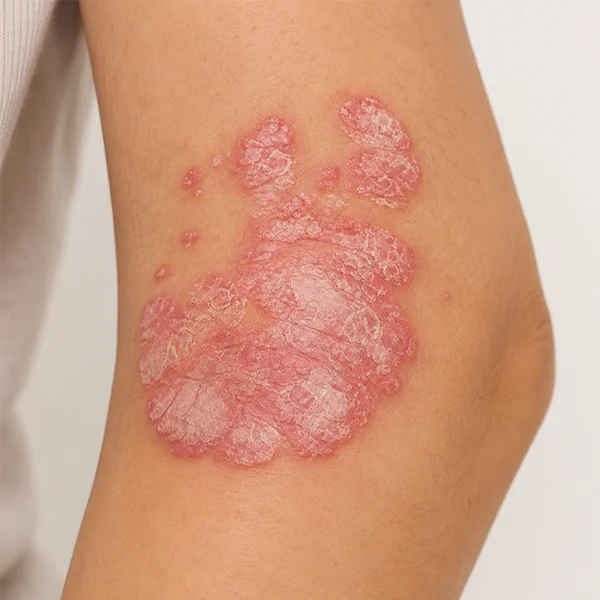
Care designed to handle muscle tightness, scar tissue, and other soft tissue dysfunctions.
Learn More →
Manual therapy intended to increase muscle flexibility and release myofascial restrictions.
Learn More →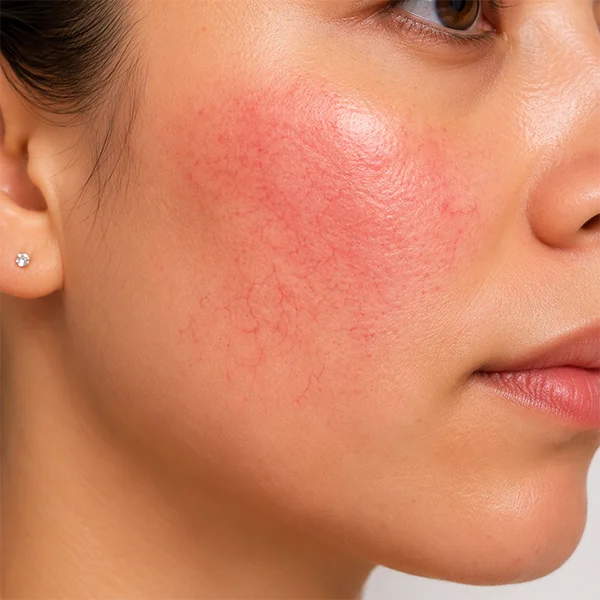
Gentle approaches that can support lymphatic drainage and help reduce swelling.
Learn More →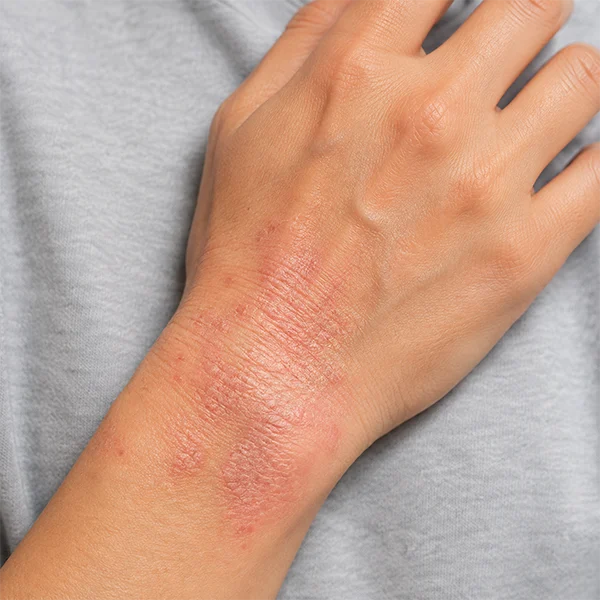
Therapy aimed at muscle trigger points, to reduce pain and help movement feel easier.
Learn More →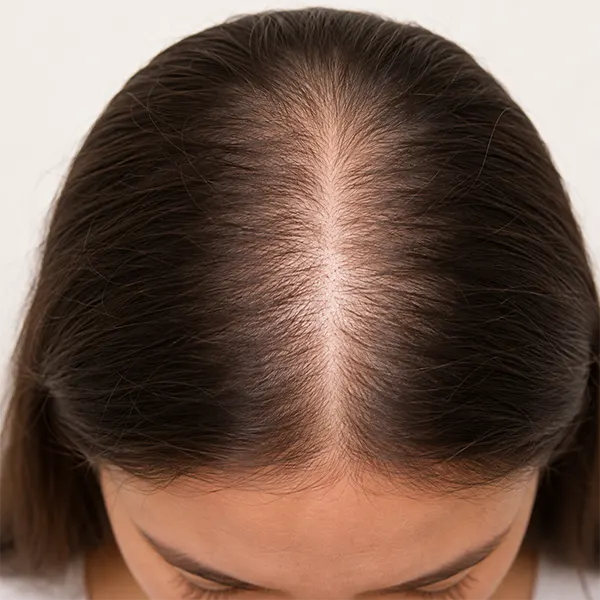
Electrical stimulation therapy that may assist with pain management.
Learn More →
A therapy that's basically used to get muscle activity going during rehab when it is clinically indicated.
Learn More →
Help with tissue healing, and also to manage musculoskeletal conditions, depending on what the person needs.
Learn More →
Low-level laser therapy, used within selected rehab programs, to back up tissue recovery, sort of like supporting the process.
Learn More →
A non-invasive approach that can help manage chronic tendon and musculoskeletal conditions.
Learn More →
An electrical therapy method used to assist with pain control and rehabilitation in general.
Learn More →
Cold therapy, applied to help deal with pain, inflammation, and acute injuries, in a more controlled way.
Learn More →
Heat therapy meant to improve circulation, lessen muscle stiffness, and support rehabilitation overall.
Learn More →
Heat therapy that is pretty often used to increase joint mobility, and also reduce stiffness in the hands and feet.
Learn More →
Therapeutic techniques, which may help ease pressure on the spine, and improve mobility.
Learn More →
A technique used for muscle tightness & myofascial trigger points, when clinically appropriate, not for every case.
Learn More →
Rehab exercises are made for people who deal with dizziness, vertigo or balance disorders.
Learn More →
Tailored programs developed to improve strength, flexibility, endurance and functional movement.
Learn More →
Exercises focused on coordination, balance, stability and reducing fall risk.
Learn More →